One way of viewing human history is as a series of battles against microbes, and disease has won more than its share of the rounds. But humanity struck a major blow of its own 35 years ago, when a scientific commission certified the global eradication of smallpox on December 9, 1979. Smallpox is one of only two infectious diseases to have been eradicated. (Rinderpest, better known as cattle plague, is the other.)
Smallpox was one of our oldest foes, and probably made the jump from rats to humans sometime before recorded history. At least one Egyptian mummy showed signs of infection. Around 30% of infections were fatal. It killed around half a billion people in the 20th century, with 2 million estimated deaths as recently as 1967. There was nothing pleasant about the disease (which granted is kind of the case with all of them, but this one was especially nasty). Victims were covered with fluid-filled lesions, which turned into scabs over time. These lesions would also coat the tongue and throat, spreading the virus into victim’s saliva and aiding transmission. One form of the disease led to internal hemorrhaging. It wasn’t unheard of for survivors to be blinded or carry limb deformities through life to mark their battles with smallpox.
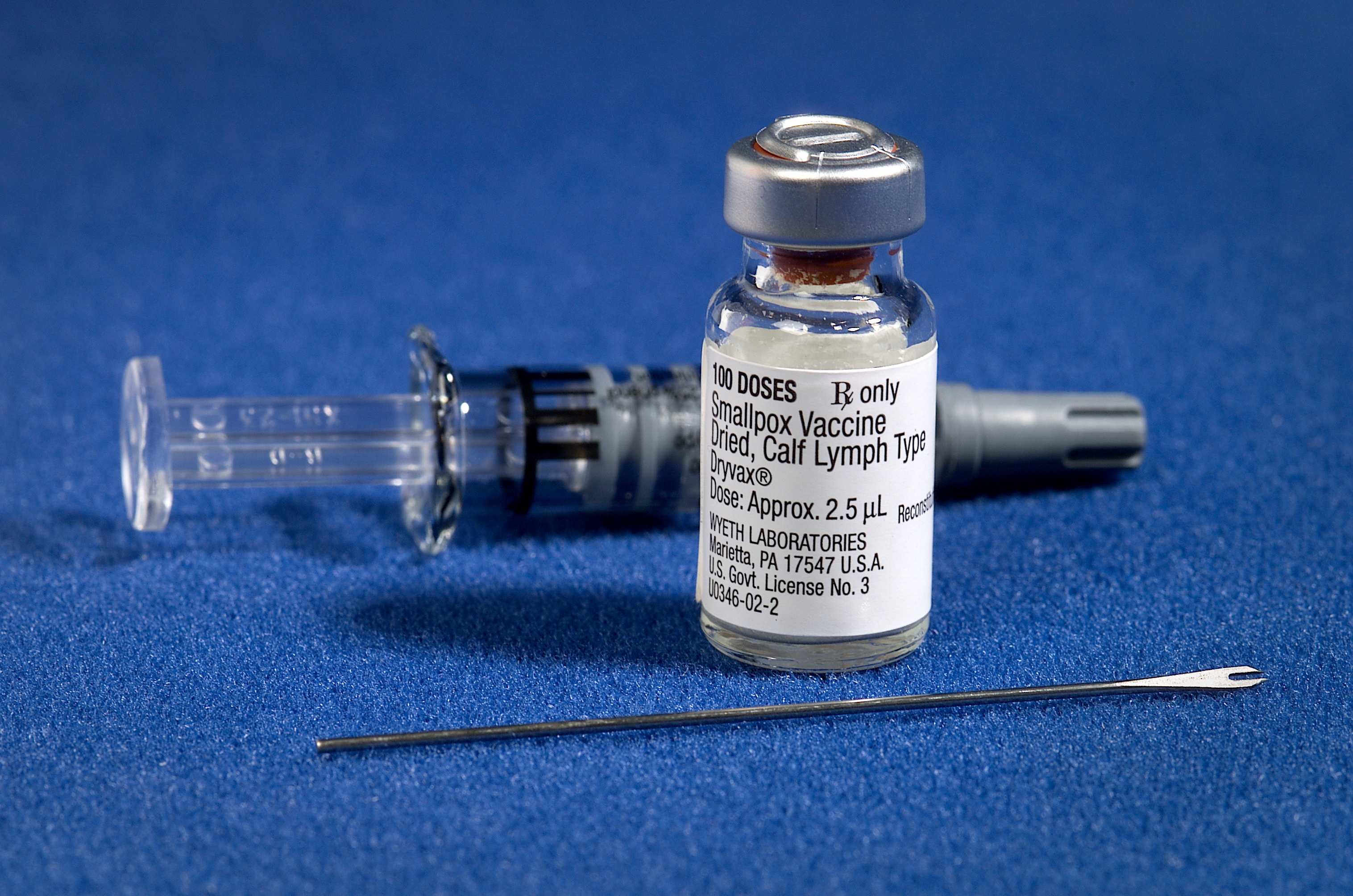
English physician Edward Jenner is credited with developing the first smallpox vaccine from cowpox in the late 18th century. One quote credits him with saving more human lives than anyone else in history. During the 19th century, smallpox rates fell in Western Europe and the United States as vaccination was first encouraged, then mandated by law. By the 1950s, the World Health Organization declared a goal of eradicating the disease worldwide, which still caused around 2 million deaths a year. Progress was slow in Africa and the Indian subcontinent. Civil war and famine in Ethiopia and Somalia hampered the fight against smallpox, but the last naturally occurring case was believed to have been in a Somalian hospital cook in 1977. The last smallpox death was a British medical photographer, who died in 1978 after contracting it from exposure at a smallpox research lab.
This death led to the destruction of many smallpox stocks which had been retained for medical research. However, the virus has not been 100% eradicated. Stocks still exist at research facilities in the US and Russia, including several which were discovered in Maryland earlier this year. The WHO has recommended that these stocks be destroyed, but the date for doing so has passed multiple times.
 |
| http://upload.wikimedia.org/wikipedia/commons/9/95/Smallpox_vaccine.jpg |

No comments:
Post a Comment