It’s a national holiday in Australia and India, two countries deeply shaped by their histories as part of the British Empire who have since come into their own. America’s own patchy history with Britain makes it easy for AWC to tip its hat to the folks in the steamy subcontinent and the Land Down Under today. (Assuming they're still awake. Are they still up over there?)
Today is Australia Day, noting the 227th anniversary since British convicts landed at Botany Bay in southeastern Australia on January 26, 1788. With the loss of the American colonies, Britain could no longer send convicts to places like Georgia, so they turned to Australia. The so-called “First Fleet” contained 11 ships carrying settlers. It was tough going at first. Poor soil made starvation a constant reality, not to mention beatings and hangings from the harsh guards the British had sent along to oversee the colony. Over time the colony began to flourish, and the men there began celebrating the anniversary of their landing with drinking and songs.
Today Australia Day is a celebration of Australia’s independence and diversity. But Australia’s history of conflict between indigenous people and white settlers mirrors the United States’, and its holidays have been subject to the same tension. Aboriginal populations don’t see the arrival of British convicts as a celebratory event, and some counter-cultural forces have called the day “Invasion Day.” Encompassing all of its peoples and traditions in a single holiday might be impossible, but Australia has grown into the effort, with January 26 becoming a day both to celebrate and question its founding event.
History took a different course in India, where the British attempted to rule rather than settle. Britain’s East India Company had been set up for trade, but ended up assuming military rule in India in 1757. For nearly 200 years, British presence in India was a source of irritation and resentment for the native Indians. The movement for Indian independence was organized by Gandhi’s example of non-violent resistance. Gandhi used the plight of poor Indian farmers, subjected to high taxes and forced to grow cash crops instead of food for their families, to incite local resistance and shame the British. The effort was finally successful, when the British “Quit India” (the organizing mantra of the movement) in 1947. Three years later, the world’s largest democratic republic was born when India’s Constitution took effect 65 years ago on January 26, 1950.
Today India has two national holidays marking the subcontinent’s transition from colony to republic: Independence Day, celebrated on August 15 and noting the day that India became an independent nation; and Republic Day, observed on this date in the world’s most populous democracy (with over 1.2 billion people at last count).
The sun once never set on the British Empire. Those days are gone, and former colonial possessions have grown into their own…places like Canada and the U.S., and two spots farther south and east holding celebrations on this date.
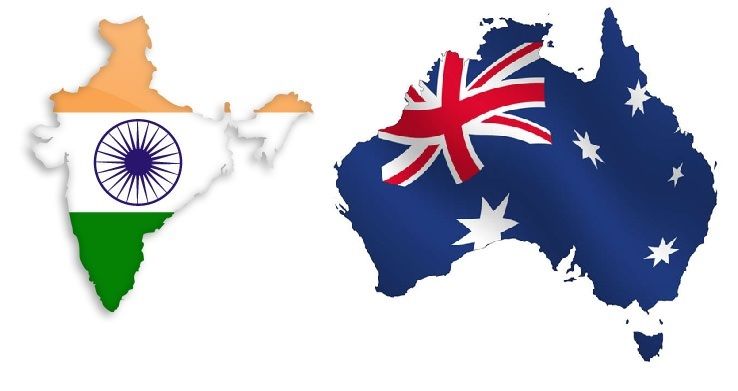 |
| Collage assembled by AWC |

No comments:
Post a Comment